
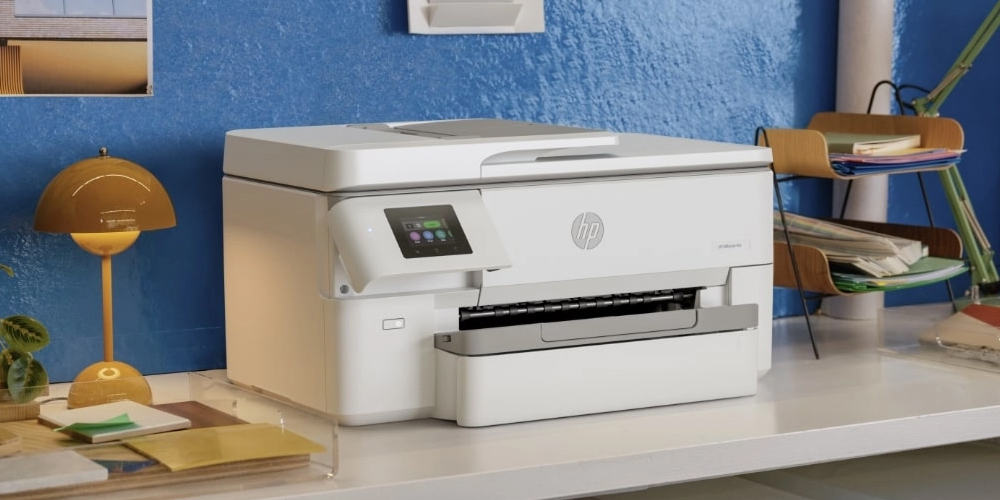
How to download and install HP printer drivers?
An HP printer driver is an essential piece of software that allows your computer and printer to communicate with each other. Without the correct driver, your computer may not recognize the printer, certain printing features may not work, or you may experience problems such as failed print jobs, slow printing, or poor print quality.
Whether you have purchased a new HP printer, reinstalled your operating system, or replaced your computer, installing the appropriate printer driver is an important step before you begin printing. A properly installed driver ensures better compatibility, improved performance, and access to advanced printer features.
Why Is an HP Printer Driver Important?
A printer driver acts as a bridge between your computer and your printer.
It helps your computer:
- Recognize the printer
- Send print jobs correctly
- Access printer settings
- Improve print quality
- Enable scanning features on compatible models
- Maintain reliable communication
Without the proper driver, your printer may not function as expected.
Prepare Before Downloading the Driver
Before installing the printer driver, prepare both your printer and computer.
Check the following:
- Turn on the HP printer.
- Ensure the printer is ready.
- Connect the printer to a stable power source.
- Verify that your computer is working properly.
- Close unnecessary applications.
- Ensure adequate storage space is available.
Preparing your devices helps reduce installation issues.
Identify Your Printer Model
- Before downloading a driver, confirm the exact model of your HP printer.
- Installing the correct driver designed for your printer model improves compatibility and provides access to all available features.
- Using the wrong driver may lead to installation or printing problems.
Download the Correct Printer Driver
Download the printer driver that matches both your HP printer model and your computer’s operating system.
Using the latest available driver helps improve:
- Compatibility
- Performance
- Stability
- Security
Avoid using outdated driver versions whenever possible.
Begin the Driver Installation
- Once the driver has been downloaded, begin the installation process.
- Allow the installation to continue without interruption.
- The setup process copies the necessary files and prepares your computer to communicate with the printer.
Follow the Installation Instructions
During installation, you may be asked to choose your preferred connection method.
Depending on your printer, you may connect using:
Wi-Fi
A cable connection
Follow each step carefully to complete the setup successfully.
Connect the Printer
If prompted during installation, connect your printer using your preferred connection method.
For wireless installation:
Ensure the printer is connected to the same Wi-Fi network as your computer.
For a cable connection:
- Connect the cable securely before continuing.
- Once connected, allow the installation to finish.
Restart Your Computer
- After the driver has been installed, restart your computer.
- Restarting refreshes system resources and allows the new driver to load correctly.
- Once the computer restarts, verify that the printer appears among your installed devices.
Print a Test Page
Printing a test page confirms that the installation was successful.
A successful test verifies that:
- The printer driver is installed correctly.
- The printer is communicating with your computer.
- Print jobs are processed normally.
- The printer is ready for everyday use.
Testing immediately helps identify any remaining issues.
Update the Printer Driver Regularly
Printer manufacturers periodically release updated drivers.
Installing updated drivers helps improve:
- Compatibility
- Performance
- Print quality
- Reliability
Keeping your driver current reduces the likelihood of future printing problems.
Update Printer Firmware
Printer firmware controls many internal printer functions.
Installing firmware updates can improve:
- Stability
- Wireless performance
- Compatibility
- Overall printer operation
Restart the printer after completing firmware updates.
Troubleshoot Driver Installation Problems
If the driver does not install successfully, review the following:
- Confirm the correct printer model.
- Verify the driver matches your operating system.
- Restart your computer.
- Restart the printer.
- Check available storage space.
- Close unnecessary applications.
- Ensure the printer is powered on.
- Verify the printer connection.
These simple checks resolve many installation issues.
Perform Routine Printer Maintenance
Regular maintenance helps your printer continue operating efficiently after driver installation.
Routine maintenance includes:
- Updating printer drivers
- Installing firmware updates
- Cleaning the printer
- Monitoring ink or toner levels
- Reviewing printer settings
Consistent maintenance improves long-term reliability.
Tips for Successful Driver Installation
Following good installation practices helps avoid future problems.
Download the Correct Driver
Always choose the driver designed for your exact printer model.
Keep Your Operating System Updated
Current operating system updates improve compatibility.
Restart Devices After Installation
Restarting refreshes communication between the printer and computer.
Print a Test Page
Testing confirms successful installation.
Update Drivers Regularly
Current drivers provide better performance and compatibility.
Maintain Your Printer
Routine maintenance improves overall reliability.
Common Mistakes to Avoid
Avoid these common installation mistakes:
- Downloading the wrong printer driver
- Interrupting the installation process
- Ignoring operating system updates
- Skipping the computer restart
- Forgetting to print a test page
- Using outdated drivers
- Ignoring firmware updates
- Leaving unnecessary applications running during installation
Avoiding these mistakes helps ensure a smooth installation.
FAQs
Why do I need an HP printer driver?
A printer driver allows your computer and printer to communicate properly, enabling printing, scanning, and access to available printer features.
What happens if I install the wrong printer driver?
Using the wrong driver may prevent the printer from working correctly, cause printing errors, or limit available printer functions.
Should I restart my computer after installing the printer driver?
Yes. Restarting allows the new driver to load properly and helps ensure stable communication between your computer and the printer.
Why should I print a test page after installation?
A test page confirms that the driver has been installed successfully and that the printer is ready to process print jobs.
How can I keep my HP printer working properly after installing the driver?
Keep the printer driver and firmware updated, maintain your operating system, perform routine printer maintenance, monitor ink or toner levels, and review printer settings regularly to ensure reliable performance.
Conclusion
Installing the correct HP printer driver is essential for reliable communication between your printer and computer. A properly installed driver improves printing performance, provides access to advanced features, and helps prevent many common printer issues.