
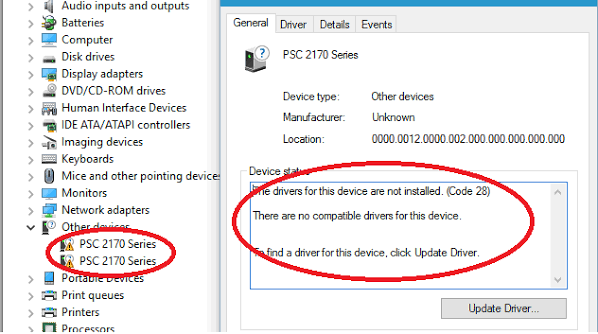
Why is my HP printer driver not installed?
Installing the correct printer driver is one of the most important steps when setting up an HP printer. The driver allows your computer and printer to communicate with each other, making it possible to print documents, scan files, and use other printer features. When the driver fails to install, the printer may not be recognized, or it may not function as expected.
Restart Your Computer
- One of the easiest ways to solve installation problems is by restarting your computer.
- Temporary software glitches or background processes can interfere with driver installation. Restarting the system clears temporary memory and refreshes important services.
- After the computer starts again, try installing the printer driver once more.
Check the Printer Connection
- Before installing the driver, confirm that the printer is connected correctly.
- For a wired connection, make sure the cable is securely attached to both the printer and the computer.
- For a wireless connection, verify that the printer is connected to the same wireless network as your computer.
- An unstable or incorrect connection may prevent the installation process from detecting the printer.
Verify Operating System Compatibility
- Printer drivers are designed to work with specific operating systems.
- If the driver is not compatible with your computer, the installation may fail or stop unexpectedly.
- Make sure you are using a driver version that matches your operating system and its architecture.
- Compatibility is one of the most important factors for successful installation.
Remove Older Printer Drivers
- If your computer already contains older or damaged printer drivers, they may interfere with the installation of a new driver.
- Remove outdated printer software before starting the installation again.
- A clean installation reduces the chances of software conflicts and helps the computer recognize the printer correctly.
Update Your Operating System
- An outdated operating system may not fully support newer printer drivers.
- Installing the latest system updates improves compatibility, enhances security, and fixes known software issues.
- After updating your operating system, restart the computer before attempting the installation again.
Check Available Storage Space
- Driver installation requires enough free storage space on your computer.
- If your storage is almost full, the installation may stop before it finishes.
- Delete unnecessary files and remove unused applications to create additional free space.
- Having enough available storage improves the likelihood of a successful installation.
Temporarily Review Security Software
- Sometimes security software may prevent certain installation files from running correctly.
- Review your security settings if the installation repeatedly stops without explanation.
- After confirming that the installation is complete, restore your preferred security settings.
Disconnect Other Printers
- If several printers are connected to the computer, the installation process may become confused.
- Disconnect printers that are not currently being installed.
- Keeping only the intended HP printer connected makes it easier for the computer to identify the correct device.
Clear Temporary Files
- Temporary files stored on your computer may interfere with software installation.
- Clearing these files helps remove outdated installation data and allows the setup process to begin with a clean environment.
- After clearing temporary files, restart the computer and try installing the driver again.
Check User Permissions
- Some driver installations require administrator permission.
- If your account has limited permissions, the installation may fail.
- Sign in with an account that has permission to install software before trying again.
- This helps avoid interruptions caused by restricted system access.
Disconnect and Reconnect the Printer
- If the installation process cannot detect the printer, disconnect it from the computer and reconnect it after restarting both devices.
- For wireless printers, reconnect the printer to the wireless network if necessary.
- A fresh connection often resolves temporary communication problems.
Avoid Interrupting the Installation
- Driver installation may take some time depending on your computer.
- Avoid restarting the computer, disconnecting the printer, or closing the installation window before the process finishes.
- Interrupting the installation can leave incomplete files on your computer and cause future installation attempts to fail.
Check for Error Messages
- If the installation displays an error message, read it carefully instead of closing it immediately.
- The message often provides useful information about the reason for the failure, such as compatibility issues, insufficient permissions, or missing files.
- Understanding the error makes troubleshooting much easier.
Restart the Installation Process
- If the installation stops unexpectedly, begin the process again from the beginning rather than continuing from where it stopped.
- A fresh installation often replaces incomplete files and resolves temporary software issues.
Common Reasons an HP Printer Driver Will Not Install
Several different factors may prevent successful installation.
Common causes include:
- Incompatible driver version.
- Outdated operating system.
- Existing printer software conflicts.
- Insufficient storage space.
- Loose printer connection.
- Temporary system errors.
- Limited user permissions.
- Interrupted installation.
- Security software restrictions.
- Corrupted installation files.
Identifying the exact cause makes it easier to apply the correct solution.
FAQs
Why is my HP printer driver not installing?
The installation may fail because of incompatible software, outdated operating system files, existing printer software conflicts, limited storage space, or connection issues.
Can restarting my computer fix the installation problem?
Yes. Restarting your computer refreshes system processes and often resolves temporary software issues that interfere with installation.
Should I remove older printer drivers before installing a new one?
Yes. Removing outdated or damaged printer software helps prevent conflicts and allows the new driver to install correctly.
Can an outdated operating system prevent driver installation?
Yes. Keeping your operating system updated improves compatibility with newer printer drivers and reduces installation problems.
Why does the installation stop unexpectedly?
Unexpected interruptions may occur because of software conflicts, insufficient permissions, limited storage space, or temporary system errors.
Conclusion
If your HP printer driver is not installing, the issue is usually related to compatibility, software conflicts, outdated system files, connection problems, or temporary computer errors. Fortunately, these problems can often be resolved with simple troubleshooting steps such as restarting your computer, updating the operating system, removing older printer software, checking the printer connection, and ensuring sufficient storage space.